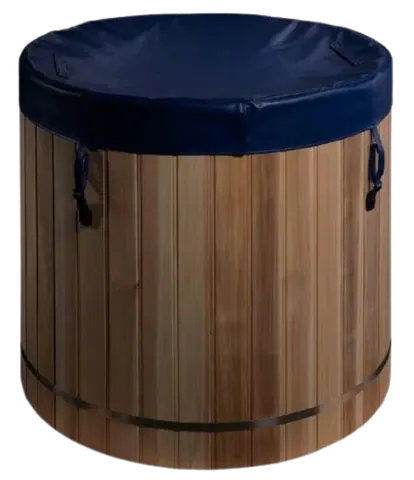
Cold Plunges & Chillers for Sale
Cold water immersion is the fastest-growing recovery modality in fitness. A dedicated cold plunge keeps water at 37–60°F on demand, so the routine of daily ice runs disappears and members or family can plunge whenever they like.
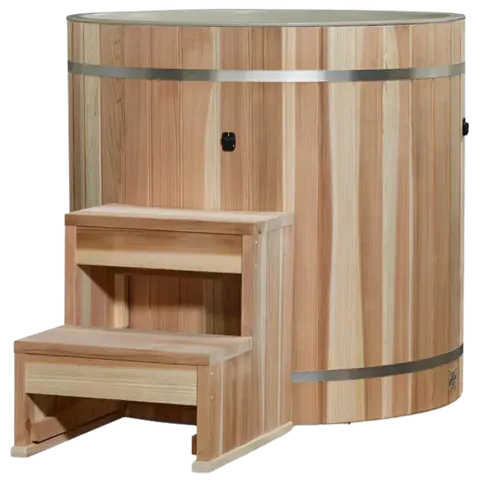
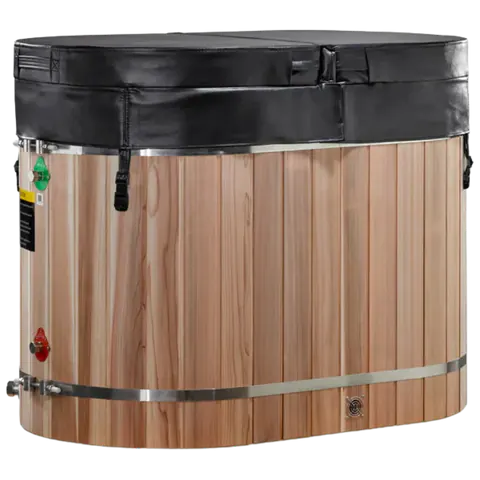
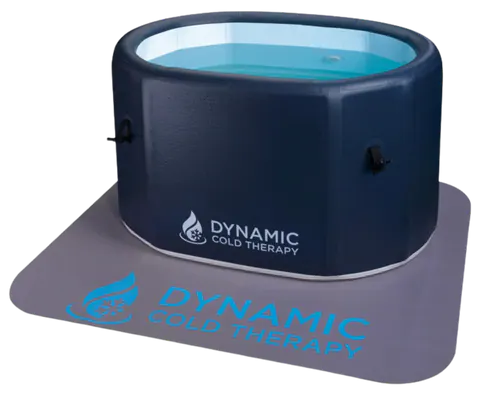
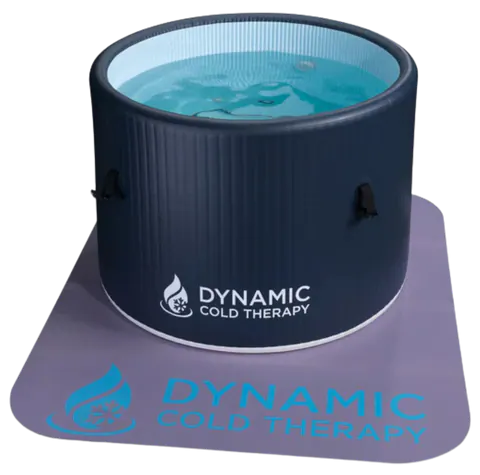
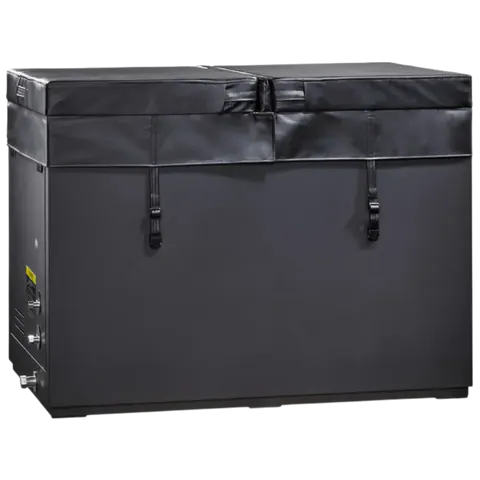
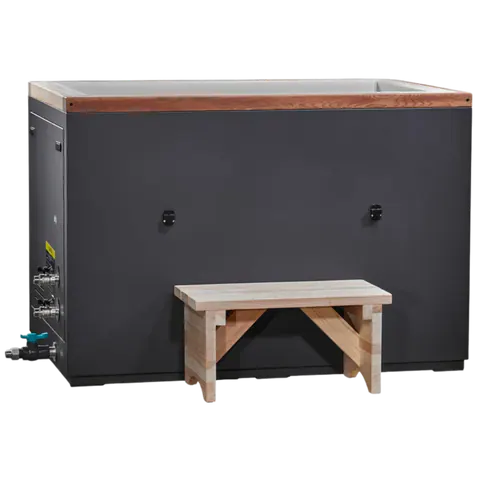
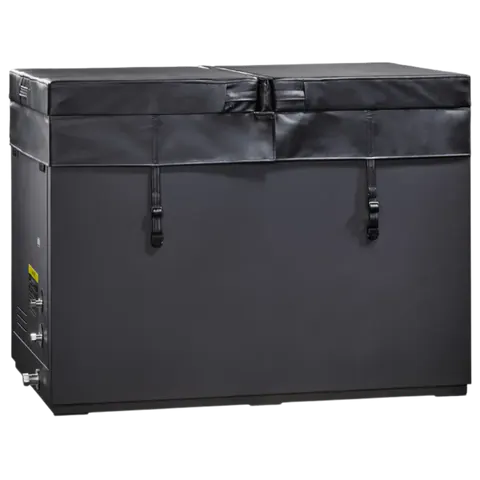
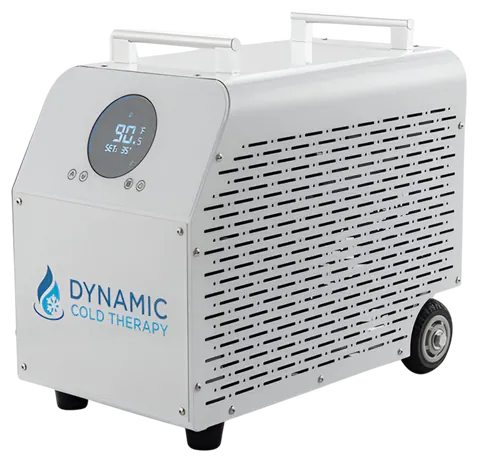
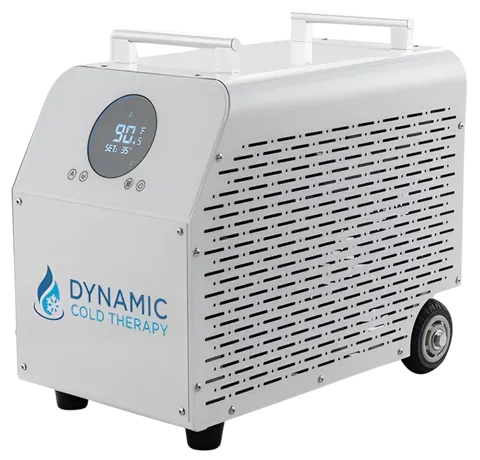
This category includes complete plunge tubs with integrated chillers and filtration, tub-only options that you fill with ice or connect to a chiller, and standalone chillers and cooling systems that turn a stock tank or spa into a cold plunge. Compare temperature range, chiller horsepower, filtration and sanitation, tub material and insulation.
1–13 of 13 products
No products match your filters.
Try widening the price range or removing a filter.
More About Cold Plunges & Chillers
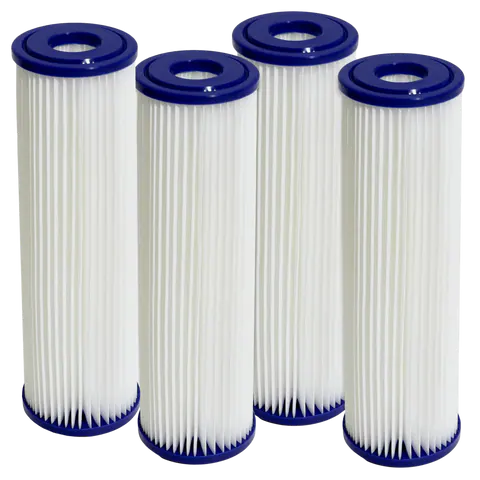
A chiller's capacity (typically 0.3 to 1 HP) determines how fast it pulls water down and how well it holds temperature in a warm room or outdoors. Insulated tubs with a lid need far less chiller capacity to stay cold than an open stock tank. Filtration (a cartridge or sand filter) and sanitation (ozone or UV) keep the water clear for weeks between changes, which is important for shared use.
For a home plunge, look for a plug-in 120 V chiller, a tub sized for the tallest user to sit chest-deep, and a cover. For commercial use, prioritize commercial-grade pumps, higher-capacity chillers, easy-drain plumbing and a sanitation system that meets local health codes. Dynamic Cold Therapy supplies both integrated plunge units and standalone chillers.
Frequently Asked Questions
What temperature should a cold plunge be?
Most users settle between 45 and 55°F. Experienced users go down to 37–40°F. Beginners should start at 55–60°F for 1–2 minutes and progress gradually.
Does a cold plunge need a drain and water line?
A hose connection to fill and a way to drain (garden hose to a floor drain or outdoors) are enough for most units. Integrated tubs recirculate their own water.
How often do I change the water?
With filtration and ozone or UV sanitation, every 4–8 weeks for a home unit. Commercial shared plunges follow local health code — often weekly or more with regular testing.