Vertical Climbers for Sale
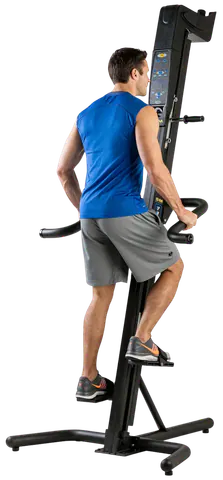
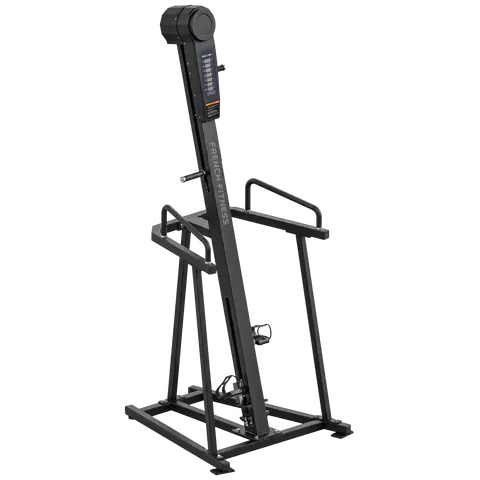
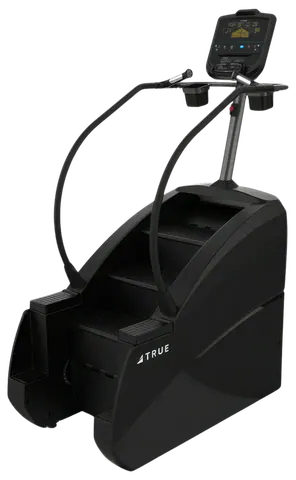
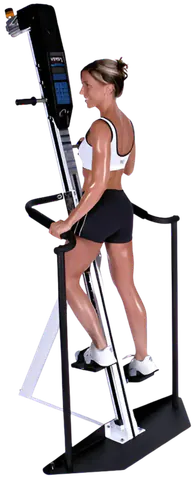
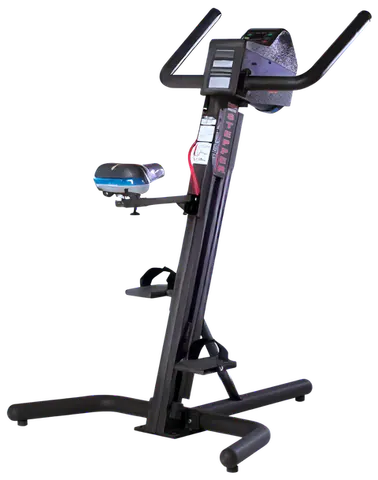
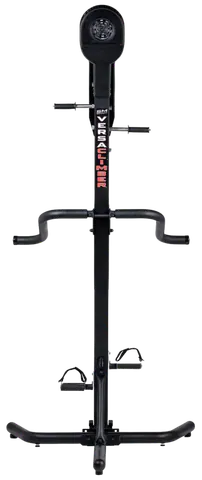
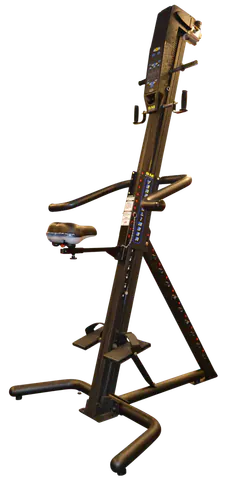
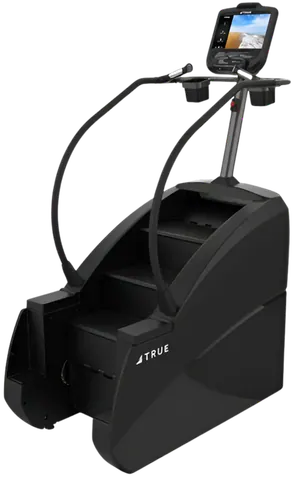
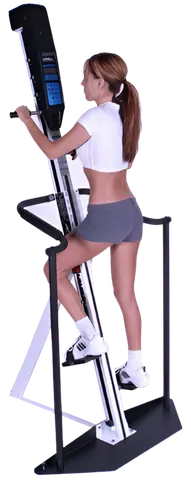
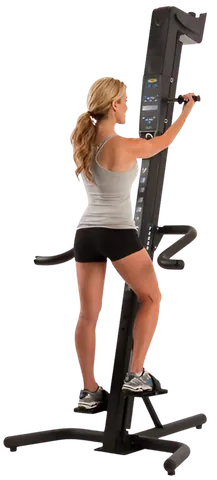
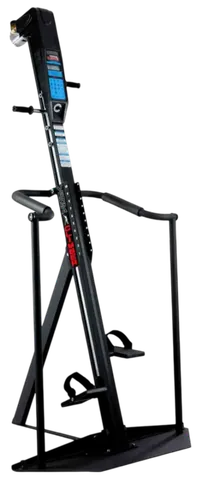
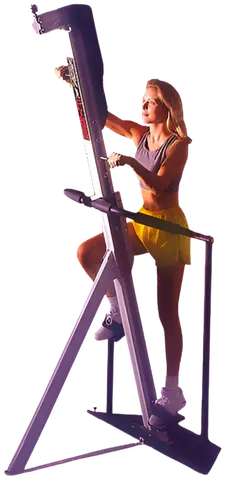
Vertical climbers work the whole body in a climbing pattern — arms and legs alternating as on a ladder or rock face. They burn more calories per minute than almost any other machine, take up a tiny footprint, and are fully self-powered.
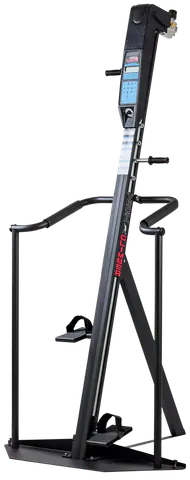
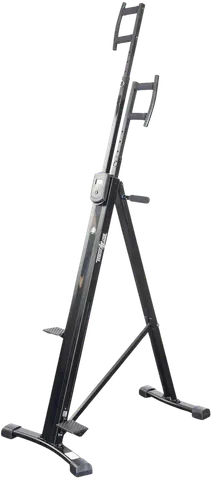
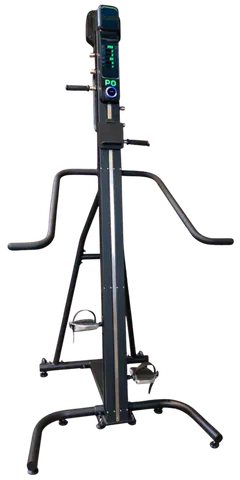
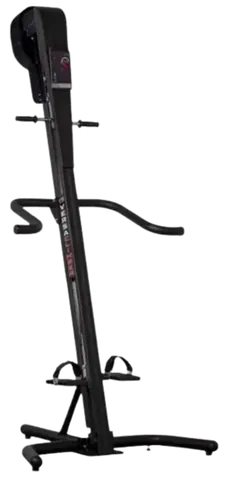
The VersaClimber uses a vertical rail with adjustable stroke length and resistance; Jacobs Ladder uses an angled, self-paced rotating ladder with a waist belt. Both are commercial-grade and popular in athletic training, HIIT studios and firefighter and military conditioning programs.
1–16 of 16 products
No products match your filters.
Try widening the price range or removing a filter.
More About Vertical Climbers
VersaClimbers come in sport, home and commercial models with options such as a magnetic brake for adjustable resistance, contact heart rate, and a full display with speed, feet climbed and calories. Height varies — the popular 7.5-foot models fit under most ceilings; taller models need a higher ceiling or a wall-mount bracket. Jacobs Ladder machines are about 66 inches tall at a 40-degree angle and the speed matches the user, so there are no controls to set.
These machines are a strong addition to a facility that already has treadmills and bikes because they offer something different: an upper-body cardio load and a short, brutal workout format (10–20 minutes) that suits busy members. Remanufactured units are inspected, refinished and fitted with new grips, pedals and cables as needed.
Frequently Asked Questions
Is a vertical climber good for beginners?
Yes, at low speed and short duration. The motion is natural and low impact, and the intensity is entirely user-controlled. Fitness gains come quickly.
How tall is a VersaClimber?
Standard models are about 7.5 feet; some commercial models are 8 feet. Measure your ceiling and consider the wall-mount kit if clearance is tight.
What is the difference between VersaClimber and Jacobs Ladder?
VersaClimber is a vertical rail with adjustable resistance and stroke. Jacobs Ladder is a self-paced rotating ladder at a 40° angle with no resistance settings — you control speed by climbing faster.