Manual & Curved Treadmills for Sale
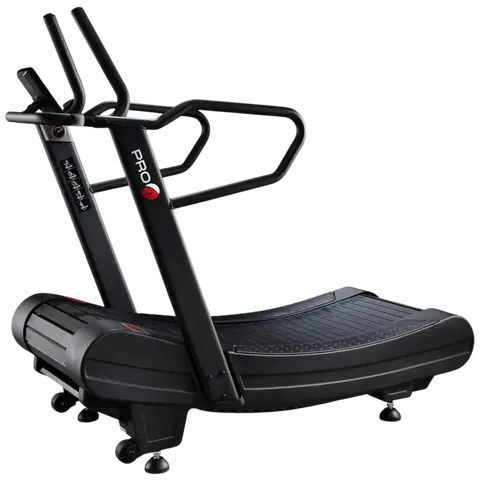
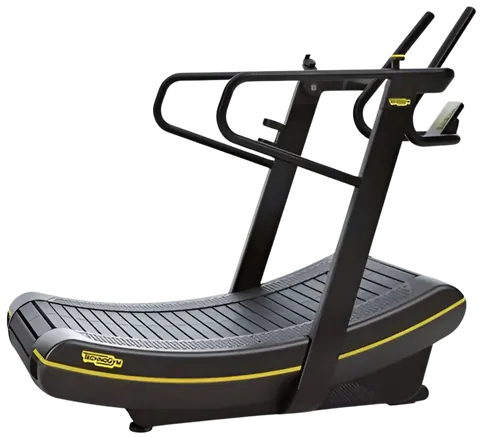
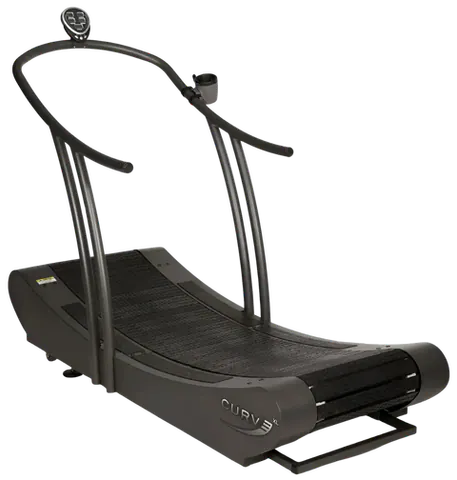
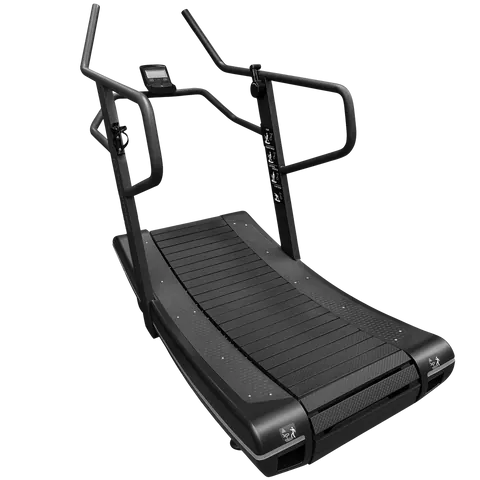
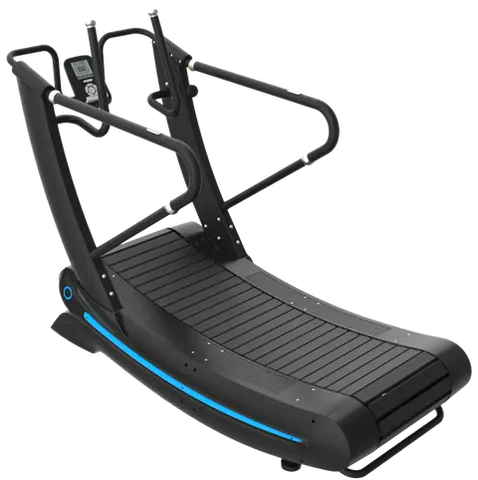
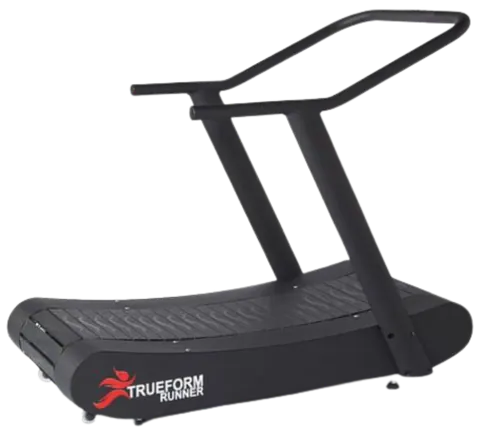
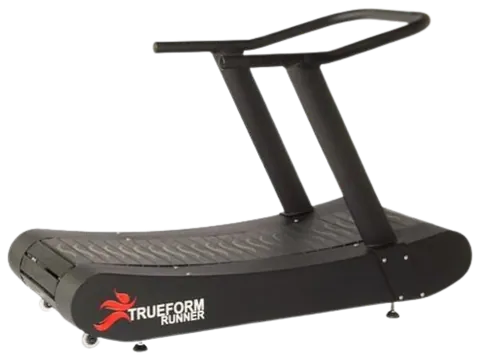
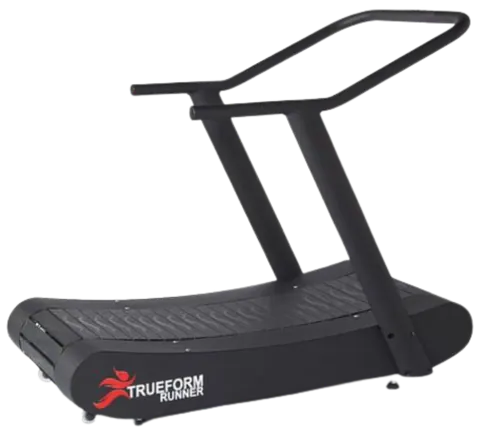
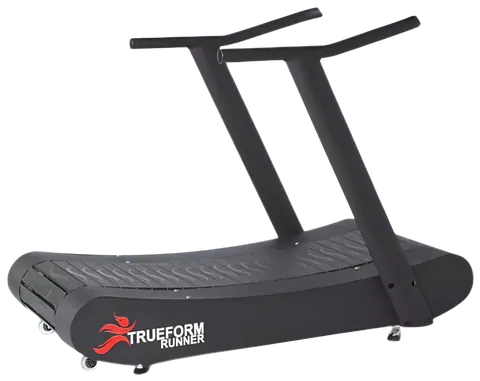
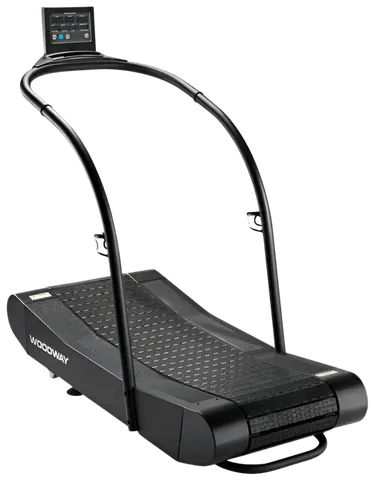
Manual and curved treadmills are driven by the user, not a motor. The concave running surface lets you accelerate by moving forward on the belt and slow down by drifting back, so sprints, intervals and sled-style pushes are possible without touching a button.
Because there is no motor they need no electrical outlet, produce almost no heat and typically outlast motorized units. The slat-belt designs from Woodway are famously durable; lighter belt-driven models from TrueForm and Assault-style curves offer the same self-powered training at a lower price and weight.
1–14 of 14 products
No products match your filters.
Try widening the price range or removing a filter.
More About Manual & Curve Treadmills
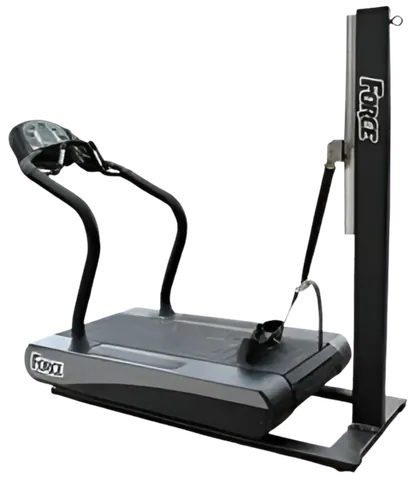
The main differences between curved treadmills are belt construction and resistance control. Slat belts (individual rubber slats on bearings) are quieter, smoother and rated for very high user weights and mileage; woven or continuous belts are lighter and less expensive. Some models add a magnetic or friction brake with adjustable resistance levels, which turns the treadmill into a sled-push trainer for strength and conditioning work.
Curved treadmills burn roughly 30% more energy at a given pace than a motorized treadmill because the user supplies the power, which makes them a popular choice for HIIT studios, athletic performance centers and CrossFit boxes. They also encourage a midfoot strike and shorter, quicker stride that many coaches prefer for gait training.
Frequently Asked Questions
Can a beginner use a curved treadmill?
Yes. The belt moves only as fast as the user pushes it, so walking is easy to control. Most users adapt to the curve within a few minutes and appreciate the natural feel.
Do curved treadmills need electricity?
No. They are fully self-powered. Some consoles use a small battery or generator for the display, but there is no plug-in requirement.
Are slat-belt treadmills worth the extra cost?
For commercial use, generally yes. Slat belts last for tens of thousands of miles with minimal maintenance and are much quieter than continuous belts. For home use a belt-style curve is usually sufficient.